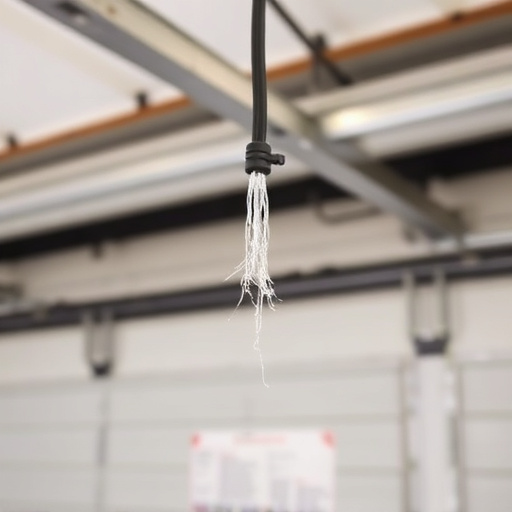
When your garage door won't close, it's not just an inconvenience-it's a serious security concern. Imagine coming home at night to find your car trapped inside or a potential intruder easily accessible through an open garage. Snapped garage door cable incidents are frighteningly common, especially during monsoon weather. This guide is designed to empower you to secure your home quickly and safely when faced with this emergency. We'll walk you through understanding the problem, assessing the situation, and taking immediate steps to protect your property, even after hours or during holidays.
- Diagnosing the Snapped Garage Door Cable
- Repair or Replacement: Deciding Your Next Move
- Securing Your Home: Post-Repair Prevention Tips
Diagnosing the Snapped Garage Door Cable
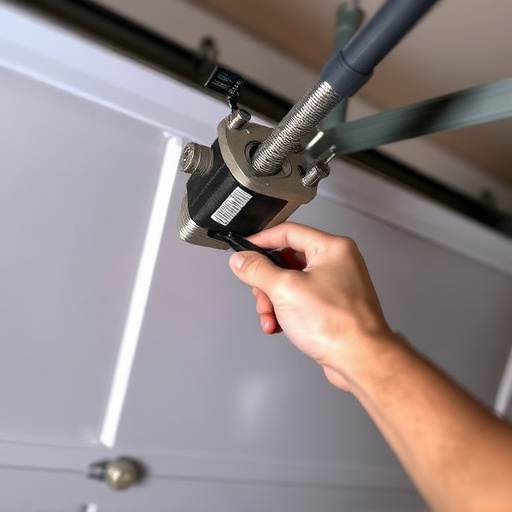
When faced with a garage door that will not close, a snapped garage door cable is a common and serious issue. This problem not only prevents your garage door from securely locking but can also pose significant risks to your vehicle and home security. If you find yourself in this situation, especially during an emergency, knowing how to diagnose and address a snapped cable is crucial.
One of the first steps in diagnosing the problem is to inspect the garage door's emergency release cord. This cord is designed to allow for manual operation in case of power outages or other emergencies. Check if it is accessible and in good condition. If the cord appears frayed or broken, it may be the cause of the issue. In some cases, a car parked in the garage might have become damaged due to the door's failure to close properly, adding another layer of complexity. A local garage door company serving Tucson and Oro Valley recommends checking for any visible signs of wear or damage to the door tracks, springs, and cables, as these can indicate a snapped cable.
If the emergency release cord appears intact, the next step is to focus on the door's mechanical components. A snapped garage door cable can prevent the door from closing fully. To address this, locate the cable attachment points on the door's tracks. These points should be secure and properly tensioned. If the cable appears loose or broken, it needs to be replaced. This is a job best left to a professional, especially if you're dealing with a power outage or other emergency. Attempting to replace a cable during a monsoon storm or after a break-in attempt can be hazardous and may lead to further damage or personal injury. Remember, the safety of yourself and your family is paramount.
Repair or Replacement: Deciding Your Next Move
When your garage door won't close, it's a serious issue that requires immediate attention, especially in the face of potential hazards like a snapped garage door cable or storm debris. The first step is to determine whether the problem calls for a repair or replacement. This decision is crucial and depends on several factors, including the severity of the damage and the age of your door.
In the case of a snapped cable, for instance, a professional repair is often the best course of action. A licensed Tucson garage door installer can assess the situation and replace the cable, ensuring your door functions safely again. Keep in mind that attempting to fix a snapped cable yourself can be dangerous, especially if you're not experienced in garage door mechanics. A professional technician has the right tools and knowledge to make the repair quickly and securely, minimizing downtime and potential risks.
For older doors with worn-out tracks or damaged springs, replacement might be inevitable. The safety of your family and property depends on a well-functioning garage door. A haboob or monsoon storm could exacerbate the issue, causing further damage that requires immediate attention. In these cases, a complete door replacement is not just a repair but an investment in the security and integrity of your home, especially in the rugged Catalina Foothills environment.
Before making a decision, consider the age of your door and the cost of repairs versus replacement. An experienced Tucson garage door installer can provide valuable insights, offering a cost-benefit analysis tailored to your specific situation. In the meantime, if you're facing a door that won't close at night or during a storm, ensure your family's safety by boarding up your garage and taking precautions until the issue is resolved.
Securing Your Home: Post-Repair Prevention Tips
When your garage door won't close, securing your home can seem daunting, especially after a repair. However, with some proactive steps, you can prevent future incidents and ensure your home's safety. In Oro Valley and Northwest Tucson areas like Catalina Foothills, where homes are often vulnerable to monsoon storms and power outages, a snapped garage door cable is a common concern. After a repair, the first step is to check the door's balance and tension. A licensed Tucson garage door company can assist in this process, ensuring your door operates safely and smoothly.
The most immediate concern is preventing forced entry. If your door won't close fully, consider securing it with wooden blocks or metal bars at the bottom, temporarily. This simple fix prevents a potential intruder from gaining access while you wait for a technician. During a power outage, when automatic openers may malfunction, this measure adds an extra layer of protection. Remember, a damaged door may look secure but could collapse under pressure, posing crushing hazards. Always consult a professional to assess the door's integrity.
Regular maintenance is crucial to avoid such situations. Inspect your garage door components, including extension springs, for any signs of wear and tear. A broken spring, like a snapped garage door cable, can cause the door to fall unexpectedly. Keeping an eye on these parts can help you catch potential issues early. Ensure your door has functioning safety sensors and that the emergency release is easily accessible. By taking these preventive measures, you can rest assured that your home is secure, even when unexpected repairs are required.
Frequently Asked Questions About a Guide to Securing a Home When the Garage Door Will Not Close
What if my garage door is stuck open due to weather conditions?
High winds or severe weather can often be the culprit. Check for loose or damaged panels, cables, or springs. If the door is still stuck, consider using a sturdy object (like a wooden plank) to create a temporary barrier. This will provide some measure of security until a professional can assess and fix the issue.
How do I know if the problem is with the door or the opening mechanism?
If the door opens but won't close, the issue is likely with the opening system. This could be a problem with the springs, cables, or the automatic opener. A functioning door that won't close correctly suggests a mechanical malfunction requiring a professional's attention.
Can I fix a broken garage door myself, or do I need a professional?
While some minor adjustments and repairs are possible for DIY enthusiasts, complex issues like spring replacement or system calibration usually require professional expertise. A licensed Oro Valley area roofing contractor like DC Roofing of Arizona has the tools, training, and safety protocols to handle these tasks.
What should I do if my garage door is off its tracks?
If the door is off-track, stop using it until a professional can assess the situation. Attempting to adjust tracks yourself can be dangerous and may void warranties. A contractor will realign the tracks, ensuring the door operates smoothly and securely.
How can I prevent future garage door issues?
Regular maintenance is key. This includes lubricating hinges and rollers, checking for loose components, and inspecting for signs of wear. A licensed roofer can provide annual maintenance checks to ensure your door operates optimally and prolong its lifespan.
When faced with a snapped garage door cable, understanding the key steps to secure your home is crucial. Diagnosing the issue accurately, whether it's a cable or other component, is the first step. Once identified, decide on repair or replacement, considering cost, time, and the door's age. After the repair or replacement, implementing post-repair prevention tips is essential. This includes regular maintenance, ensuring proper setup, and securing loose hardware. By following these guidelines, you can mitigate future risks, like a garage door left open at night, and protect your property. Remember, a quick response to a snapped garage door cable is key to preventing potential hazards and securing your home.
A snapped garage door cable is a serious issue that requires immediate attention, impacting both security and safety. To diagnose, inspect the emergency release cord and door tracks, springs, and cables for signs of wear or damage. Replace the cable if it's broken, seeking professional help for complex repairs. For older doors, consider replacement if tracks or springs are worn, investing in home security. After repairs, ensure door balance and tension, temporarily blocking the door to prevent forced entry. Regular maintenance, including checking extension springs and safety sensors, prevents future problems.